Neighborhood
Lorraine
Multicultural, creative, and quietly local
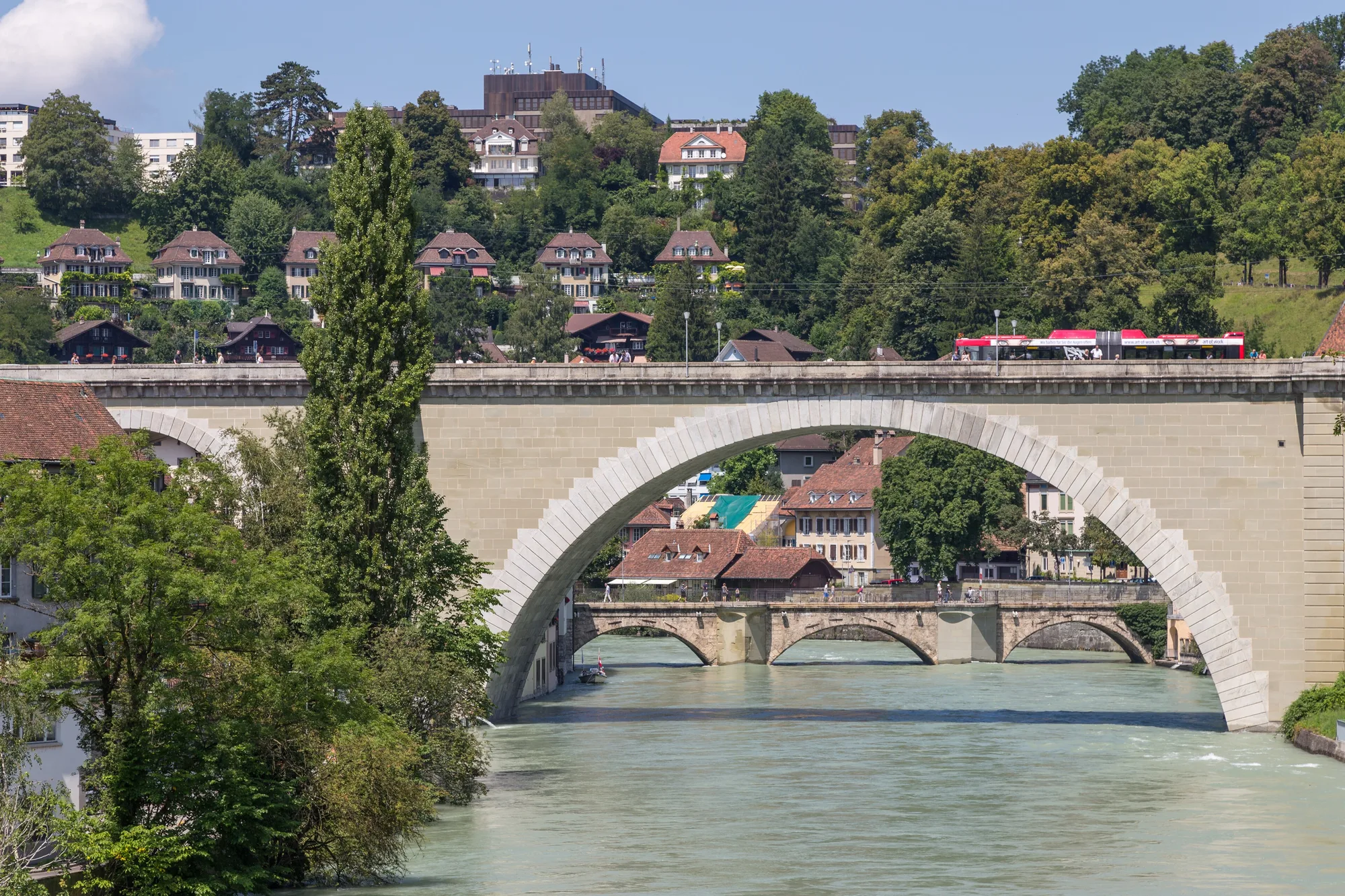
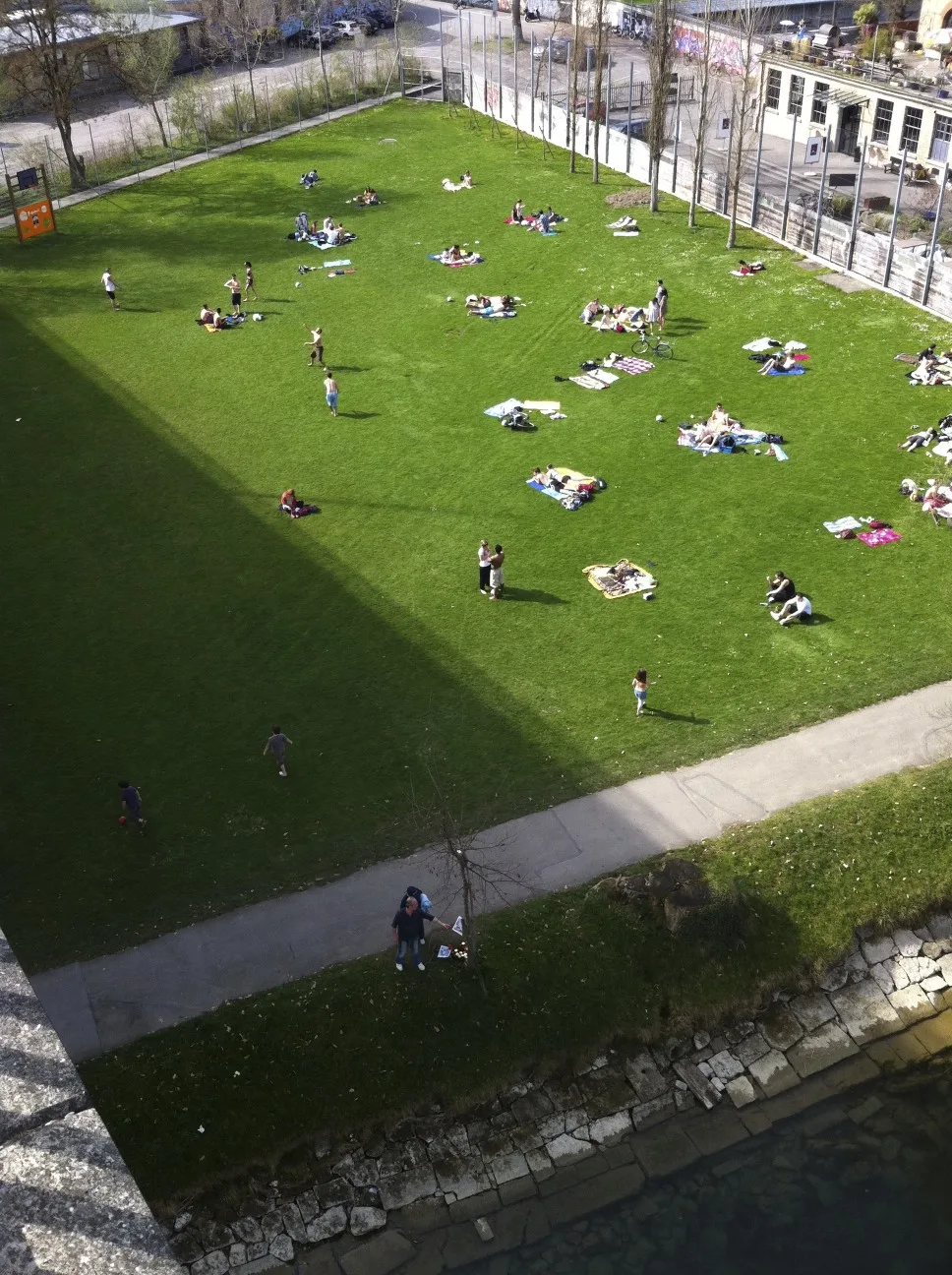
Lorraine is the kind of neighborhood that makes a trip feel real: less medieval postcard, more lived-in Bern. It sits just north of the railway station and the Old Town, reached on foot over the Lorrainebrücke—the bridge that vaults across the Aare and drops you, in barely ten minutes, into a completely different mood. Where the Old Town is sandstone and symmetry, Lorraine is creative, multicultural and a little rough at the edges: small independent shops along Lorrainestrasse, casual cafés, vegetarian and organic kitchens, and a pace that is refreshingly not designed for tour groups. For us it is the easiest way to see how Bern actually lives once you step off the heritage trail.
Administratively, Lorraine belongs to one of the City of Bern’s six statistical districts—Breitenrain-Lorraine— and it has long been the capital’s bohemian, alternative quarter. That reputation isn’t marketing gloss: this is the part of town where the famous Reitschule cultural centre sits, where the Botanical Garden tumbles down a sunny slope to the river, and where the Lorrainebad open-air pool draws free spirits all summer. If the Old Town is where you photograph Bern, Lorraine is where you start to understand it.
What defines Lorraine
Two things shape the character here. The first is geography: Lorraine sits across the Aare from the Old Town, so it has always been a little apart—close enough to walk to in minutes, far enough to feel like its own world. The second is its long association with Bern’s independent and alternative scene. The neighborhood reads as residential and unpolished rather than curated, and that is precisely its appeal.
The spine of the district is Lorrainestrasse, lined with small owner-run shops, second-hand and design stores, and kitchens that lean organic, seasonal and plant-forward. You’ll notice the cooking skews consciously local and sustainable—it’s the kind of quarter where a café will happily explain where the beans came from. Wander the side streets and you’ll find quiet corners, street art and the everyday rhythm of a working neighborhood going about its day.
What to see and do
Lorraine rewards slow, unstructured exploring, but a handful of genuine anchors give the wander some shape.
- Botanical Garden (BOGA): The University of Bern’s botanical garden was established in 1859 and spreads over a sunny slope right beside the Lorrainebrücke, with thousands of plant species outdoors and across its greenhouses. Entry is free, and it’s open daily year-round—an easy, peaceful start or finish to a Lorraine visit. See our Botanical Garden hours guide.
- The Reitschule (Reitschule / Schützenmatte): A short walk from the station, Bern’s best-known autonomous cultural centre runs concerts, club nights, theatre, a cinema and a restaurant. It is unmistakably alternative and not to everyone’s taste, but it’s a defining piece of the neighborhood’s identity and worth understanding even if you only pass by.
- Lorrainebad: In summer, this free open-air pool—originally a 19th-century school swimming bath, now fed by groundwater, with graffiti walls, wooden loungers and retro changing huts—is the classic local hangout for sun and a swim away from the busier riverside lidos.
- Lorrainestrasse browsing: The main street’s independent shops, cafés and small galleries are the everyday attraction—no ticket, no queue, just the texture of a real Bern neighborhood.
Where to eat, drink and pause
Lorraine’s food scene is its quiet superpower. The neighborhood is known for kitchens that put seasonal, organic and often vegetarian or vegan cooking front and centre—this is one of the easiest parts of Bern to eat well and consciously without paying Old-Town landmark prices. Rather than send you to a single address that may have changed by the time you arrive, we’d suggest treating the district itself as the recommendation: pick a café with a window seat for a slow breakfast, come back for a casual lunch, and let the menus tell you what’s in season.
A reliable rhythm is to make Lorraine your morning-coffee or lunch chapter, when the cafés are at their best and the streets are calm, then drift back toward the Old Town for the evening glow and a cellar bar or classic dinner. For curated, locally loved addresses across the city, lean on our local favorites and best coffee in Bern lists. Prices are in Swiss francs, and tipping is never obligatory—rounding up for good service is plenty.
How to walk it (and fit it into a trip)
The simplest route ties Lorraine to things you’d see anyway. From the station or the Old Town, walk north and cross the Lorrainebrücke—pause on the bridge for the view back over the Aare and the rooftops. Drop into the Botanical Garden on the river slope, then come back up into the district itself and follow Lorrainestrasse for shops and a café stop. In summer, swing past the Lorrainebad; in any season, the loop back over the bridge returns you to the Old Town within minutes. It’s a short neighborhood chapter rather than a full day: a café, a walk, a local lunch, then back to the landmarks and views.
- Best framework: two days in Bern, with Lorraine as a half-day chapter.
- Pair it with the Länggasse student quarter for a full “local Bern” day.
- Night route: Old Town bars for the evening.
- Overnight guests can ride free in central Bern—see how the Bern Ticket works.
Frequently asked questions
Is Lorraine worth visiting for a first-time traveler?
Yes, if you want more than the medieval core. Lorraine won’t give you grand landmarks, but it gives you the real texture of Bern: independent shops, conscious cafés, the Botanical Garden and a distinctly alternative edge. It’s the perfect counterweight to a day of Old Town sightseeing, and it’s only a ten-minute walk away.
How do I get to Lorraine from the Old Town?
On foot in about ten minutes. From the station or the upper Old Town, head north and cross the Lorrainebrücke over the Aare. Bernmobil buses and trams also serve the area, and overnight hotel guests travel free within central Bern with the Bern Ticket.
What is the Reitschule?
The Reitschule, on the Schützenmatte near the station, is Bern’s best-known autonomous cultural centre—an alternative venue for concerts, club nights, theatre, film and food. It’s a defining part of Lorraine’s identity. It’s deliberately countercultural rather than polished, so it suits curious, open-minded visitors.
Can I combine the Botanical Garden with Lorraine?
Easily—they’re neighbors. The University of Bern’s Botanical Garden sits right beside the Lorrainebrücke on the sunny river slope, with free entry and year-round opening, so it slots naturally into a Lorraine wander. Check current hours in our Botanical Garden guide.
Is Lorraine good for food?
Very. It’s one of Bern’s strongest neighborhoods for seasonal, organic and vegetarian or vegan cooking, with plenty of casual, well-priced cafés and kitchens. It makes an excellent lunch district when Old Town spots feel busy.
More Local Bern
Next reads
Keep exploring Bern with guides that pair well with this one.