Trip Planning
Plan Your Bern Trip
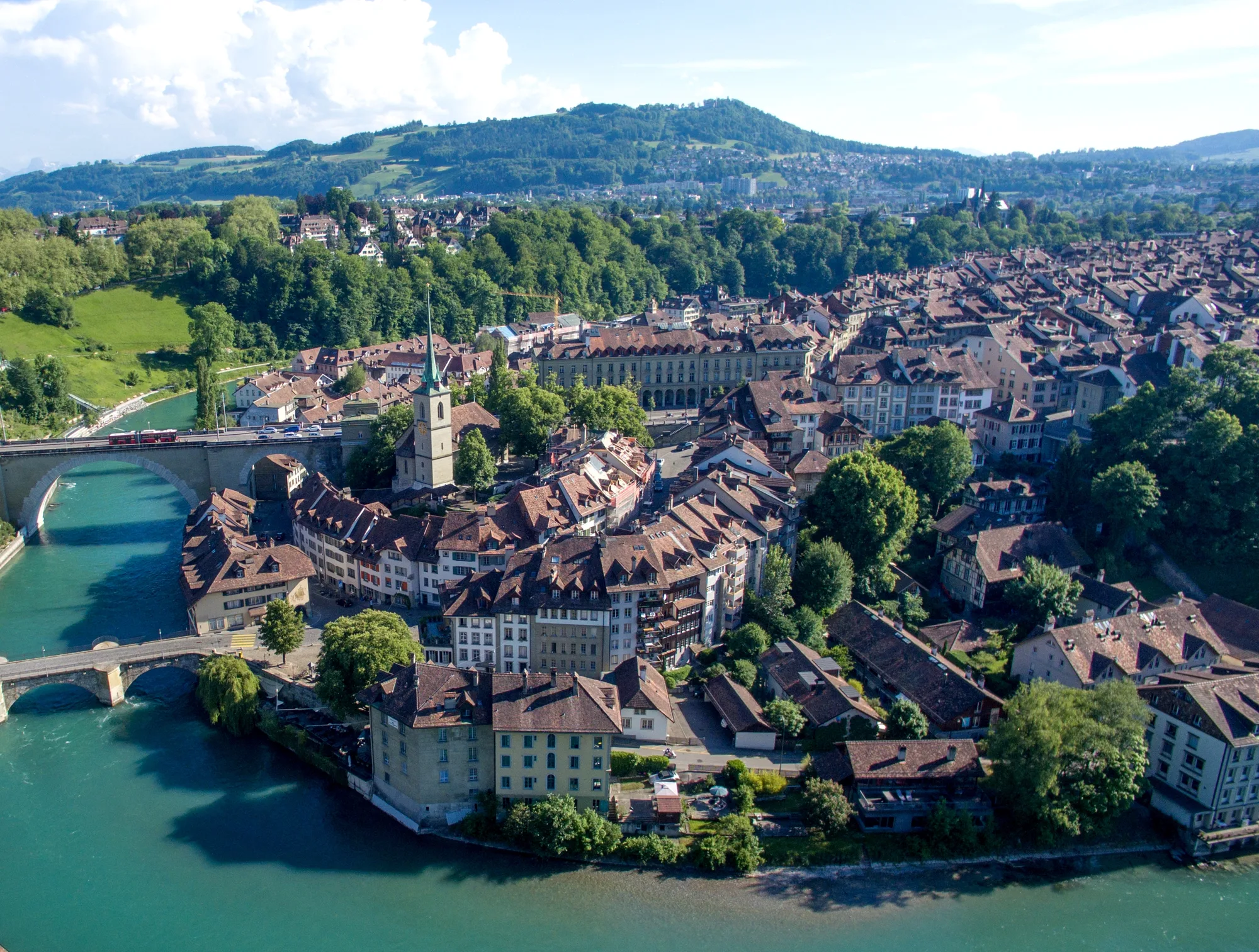
Bern is one of the easiest European capitals to plan. It is compact, calm, and almost entirely walkable — the whole UNESCO Old Town fits in the loop of the Aare and crosses on foot in minutes. Build the trip around a few strong anchors — an Old Town loop, one viewpoint, and meals that match the season — and the city does the rest.

Where to Start

Itineraries
One day, two days, weekend pacing, and day trips.

Transport & Arrival
Airport, tickets, luggage storage, and easy connections.

Seasonal Guides
Winter-friendly plans, February-April flow, and rainy-day backups.

Museums
Best museums, ticket tips, and easy museum-day itineraries.

Where to Stay
Neighborhood choices that make the trip feel effortless.

First Time Guide
The essentials: what to do, what to skip, and common mistakes.
How to think about a Bern trip
The single most useful thing to know before you plan is that Bern is small and slow by design. Unlike Zurich or Geneva, this is a city you can experience fully on foot, and the joy of it is in the wandering rather than the ticking-off. That changes how you plan: instead of a dense list, you want a loose shape — one or two anchors a day and plenty of room to drift.
Most visitors find that two days is the sweet spot. One day handles the Old Town highlights — the arcades, the painted fountains, the Zytglogge clock tower, the cathedral and a viewpoint — without rushing, and a second day opens up the river, a museum or two, or an easy day trip toward Thun and the lakes. A single full day is enough to fall for the city if that is all you have; three days lets you slow right down. Our how many days in Bern guide goes deeper on choosing your length.
Bern is also genuinely year-round. Summer (roughly June–September) is about the river: the Aare runs turquoise and warms to around 20°C, and the banks fill with locals. Autumn is quiet, golden and underrated. Winter brings Christmas markets from late November through December, fondue weather and a snow-dusted Old Town. Spring is soft and crowd- free. Whatever the season, the covered arcades and the museums make a rainy day easy, so the weather rarely dictates the trip — see our seasonal guides and Bern in the rain for the specifics.
One practical reminder before you budget: Switzerland is not in the European Union and uses the Swiss franc (CHF), not the euro. Cards are accepted almost everywhere, but it is worth carrying a little cash for markets, and paying in CHF rather than your home currency usually gives a better rate. Prices run higher than much of Europe — though many of Bern’s best experiences, from the viewpoints to the riverside walks, cost nothing at all.

The Lauben — Bern's six-kilometre arcade walkway
The “No-Regrets” Bern Plan
Pick the right number of days
Bern rewards slow travel. For most trips, 2 days is the sweet spot: one classic Old Town day plus one “mood” day for museums, neighborhoods, or a day trip. Use how many days in Bern to choose your pace.
Choose one anchor walk
The city is built for walking. The simplest anchor is the Old Town walking tour, then add fountains and cafes as detours.
Add one indoor anchor (optional)
In winter or rain, a museum makes the day feel intentional instead of weather-reactive. Start with the best museums guide.
Finish with a viewpoint
Rosengarten is the classic: easy access, big reward, and a skyline that looks like it was designed for sunset. See the Rosengarten sunset guide.
What to prioritise (and what to skip)
With limited time, a little prioritising goes a long way. These are the things we’d make sure of on a first visit, and the ones it is fine to let go.
Do walk the Old Town slowly. The arcades, the painted Renaissance fountains and the Zytglogge clock tower are the heart of Bern, and they reward an unhurried loop far more than a rushed one. Start with our Old Town walking tour and let cafés and detours pull you off course.
Do earn one view. The Rosengarten at sunset is the city’s signature panorama, and it is free; the Münster terrace gives a similar river-and-Alps outlook with no climb. Building the late afternoon around a viewpoint is the single best pacing decision you can make.
Do match a meal to the season. Fondue in winter, a riverside terrace in summer, a long café afternoon in the shoulder months. One memorable meal anchors the day better than several forgettable ones.
Don’t over-pack the schedule. Bern is small enough that trying to see everything actually spoils it. Two or three anchors a day, with space to drift, is the right density. And don’t feel you must swim the Aare — it is wonderful for confident swimmers in summer but the current is strong, so a picnic on the bank is a fine alternative.
Getting to Bern
Most visitors don’t fly into Bern at all. The tiny Bern-Belp airport handles few routes, so the usual approach is to fly into Zurich or Geneva and take the train — Switzerland’s rail network is fast, frequent and famously punctual. From Zurich Airport, a direct InterCity reaches Bern in a little over an hour; from Geneva Airport it is roughly two hours direct. Trains run several times an hour, so you rarely need to plan around a timetable. Once you arrive at Bern HB (the main station), the Old Town begins just outside the doors.
In the city itself you will mostly walk — the centre is that compact — but trams and buses cover the rest, and one ticket spans the central zones. If you are staying overnight, ask about the free Bern Ticket at check-in: most hotel guests receive it, and it covers the city’s trams, buses and funiculars for the length of the stay. Below are the practical guides that handle the rest.
- Flying in? Bern Airport to city center.
- Arriving early? Store bags with luggage lockers at Bern HB.
- Using public transport? Read the Bern Ticket guide.
- Sunday planning: What's open on Sunday.
- Day-tripping? Easy day trips from Bern and the short hop to Thun.
Frequently asked questions
How many days do you need in Bern?
Two days suits most visitors: one for the Old Town and a viewpoint, one for the river, a museum, or a day trip. A single full day is enough to get the feel of the city, while three days lets you slow down and add an excursion toward the lakes. See how many days in Bern to decide.
Do I need a car in Bern?
No. The Old Town is largely pedestrianised and walkable end to end, and trams and trains cover everything else, so a car is more hassle than help. Arrive by train and use the city’s public transport — often free for hotel guests via the Bern Ticket.
What is the best time of year to visit?
There isn’t a bad one. Summer is for the river and long evenings, autumn is quiet and golden, winter brings Christmas markets and fondue weather, and spring is soft and uncrowded. Plan the day around what the season does best and you’ll enjoy any of them.
Is Bern expensive?
It is pricier than much of Europe, and prices are in Swiss francs (CHF) rather than euros — Switzerland is not in the EU. That said, many of the best things to do, from the viewpoints to the riverside walks and the arcades, are completely free, so a careful trip needn’t break the bank.
Next reads
Keep exploring Bern with guides that pair well with this one.


