
Modern art + architecture
Zentrum Paul Klee
CHFNear the Old Town (easy bus ride)
A landmark museum dedicated to Paul Klee, with rotating exhibitions, a calm atmosphere, and a building that feels like art itself.

Culture
Art, ideas, history, and the perfect rainy-day plan
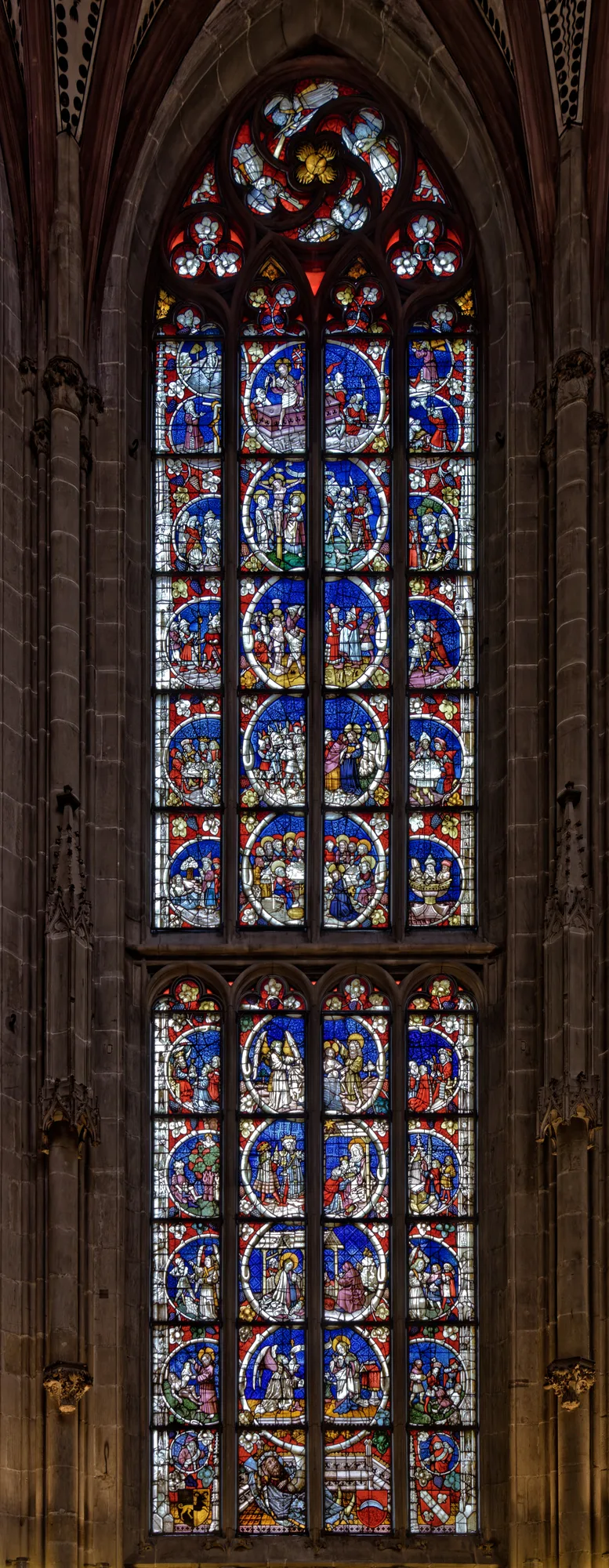
Bern is compact and museum-friendly: you can visit a major collection, eat well, and still have time for arcades, river views, and a sunset viewpoint — all without feeling rushed. The best strategy is to choose one main museum, then layer in short Old Town walks and cafes to keep the day feeling varied.
If you're planning a winter or early-spring trip, pair this guide with Bern in the rain for the most weather-proof flow.
Zentrum Paul Klee + a calm Old Town evening.
Museum of Communication (interactive and playful).
Bern Historical Museum for a big, satisfying visit.
Near the Old Town (easy bus ride)
A landmark museum dedicated to Paul Klee, with rotating exhibitions, a calm atmosphere, and a building that feels like art itself.

Culture meets architecture in Bern's Old Town

Interactive + playful
Hands-on exhibits that make ideas tangible — perfect for families, curious travelers, and anyone who prefers experience over quiet galleries.
Swiss history + big collections
A large, classic museum experience with depth and variety. Great when the weather pushes you toward a longer indoor block.
A central art museum with strong programming and a "serious art day" feel — easy to combine with Old Town walks.

A smart, modern museum about alpine life, landscapes, and Swiss identity — often with thoughtful temporary exhibitions.

Compact and easy to fit into a walking day. Best for travelers who want a short cultural stop without breaking the pace.
Want the practical details for the two most searched museums? Use Zentrum Paul Klee tickets and Museum of Communication tickets.
Pick one museum and give it real time (2-3 hours). The day feels more satisfying when you go deep once instead of rushing three places.
Keep lunch central and cozy — vaulted rooms, Swiss classics, and a pace that matches the season. Start with the Old Town restaurants guide.
Walk the arcades to reset your eyes after galleries, then finish with a skyline view. Rosengarten is the classic — simple, beautiful, and always worth it.
Most of Bern's big collections sit together in the Kirchenfeld quarter, a leafy residential grid just across the Kirchenfeld bridge from the Old Town near Helvetiaplatz. Around eleven institutions cluster here within easy walking distance of one another, which is why it is often described as the largest concentrated cultural area in Switzerland. Together the quarter draws well over half a million visitors a year, yet on a quiet weekday morning it can feel almost suburban — wide streets, mature trees, and grand 19th- and early-20th-century buildings rather than crowds.
That compactness is the whole point for a traveler. You can cross from the Zytglogge to the museum quarter in well under ten minutes on foot, see a major collection, walk a few hundred metres to a second, and still be back under the arcades for lunch. A couple of the headline museums sit outside this cluster — the Kunstmuseum (Museum of Fine Arts) is in the city centre on Hodlerstrasse, and the Zentrum Paul Klee is on the eastern edge of town — but everything is close by Swiss standards, and trams and buses stitch it all together.
It is also Bern's best wet-weather insurance. When the Aare valley clouds over, a museum day in Kirchenfeld keeps you dry, warm and genuinely entertained for hours, with the covered Old Town arcades waiting on the other side of the bridge for cafe stops in between. For a full bad-weather flow, pair this with Bern in the rain.
Renzo Piano's sweeping three-wave building on the eastern edge of the city holds the world's largest collection of Paul Klee's work — some four thousand paintings, drawings and watercolours, rotated through changing displays. The architecture is half the experience: grass-covered hills of glass and steel that ripple along the landscape. Admission is around CHF 20 for adults, CHF 18 reduced, CHF 10 for students and CHF 7 for children aged 6–16, with under-16s free on Sundays; it opens Tuesday to Sunday, 10:00–17:00, and closes Mondays. It is about fifteen minutes from the centre on bus 12. Confirm current prices on the museum's own site, and see our Zentrum Paul Klee tickets guide.
The Kunstmuseum is Switzerland's oldest art museum with a permanent collection, set in the city centre on Hodlerstrasse rather than in the Kirchenfeld quarter. It spans eight centuries of art, from medieval and Old Master works through Swiss painting to modern and contemporary names, and its temporary exhibitions are often the cultural headline of the season. It is the natural pick for a “serious art day” and slots neatly into an Old Town walk since it sits a short stroll from the station and the Zytglogge.
On Helvetiaplatz, the Bernisches Historisches Museum is the second-largest historical museum in Switzerland, housed in a castle-like building that is a landmark in its own right. Its collections run from prehistory to the present, but the draw for many visitors is the integrated Einstein Museum, which tells the story of Einstein's life and walks you through his physics in plain language. It pairs beautifully with the Einstein House in the Old Town, the flat where he lived during his “miracle year.”
A few steps along Bernastrasse in Kirchenfeld, the Natural History Museum is famous for around 220 dioramas of mammals and birds, staged in the atmospheric 1930s building. It is the most reliable hit on the list for children — lifelike scenes, giant skeletons and a sense of theatre that holds short attention spans — while the geology and mineral halls reward curious adults. It is one of the easiest museums to enjoy in an hour or stretch to two.
Also in Kirchenfeld, near the Kirchenfeld bridge, the Museum of Communication is the most hands-on of Bern's museums — an award-winning, playful look at how people connect, from postal history to the digital age. Admission is about CHF 18 for adults, CHF 12 for students and seniors and CHF 6 for children aged 6–15 (under 6 free), with 30% off after 15:30 and free entry on the Swiss Museum Pass or Swiss Travel Pass; it opens Tuesday to Sunday, 10:00–17:00, and closes Mondays. See our Museum of Communication tickets guide for the visit details.
If museums are a real part of your trip, look at a pass before you buy individual tickets. The Swiss Museum Pass gives free entry to more than 500 museums across the country, and the Swiss Travel Pass — the rail-and-transport pass many visitors already hold — includes the same free museum access alongside trains, trams and buses. Several Bern museums, including the Museum of Communication, are covered. For a few days of heavy museum-going, the maths usually works in your favour.
The single most useful habit is to check the closed day. Many Bern museums run Tuesday to Sunday and shut on Mondays, so a Monday arrival can catch you out; on the flip side, a Monday in Bern is a fine day for the Old Town, the Bear Park and the river. The Museum of Communication's 30% discount after 15:30 is a quiet win if you want a shorter, cheaper late visit. Most permanent collections need no advance booking — just turn up — but big temporary exhibitions and guided tours can sell out, so reserve those online.
Practical points worth knowing: Switzerland uses Swiss francs (CHF), not euros, and cards are accepted almost everywhere, though a little cash never hurts. Reduced rates for students, seniors and children are standard, and under-16s are often free or heavily discounted. Because prices and hours do shift, treat any figure here as a guide and confirm the current detail on each museum's official page before you go.
The trick in Bern is to treat one museum as the anchor and let the Old Town do the rest. A clean half-day looks like a main museum in the morning, lunch under the arcades, then a small second stop or a viewpoint to finish — never three museums back to back.
Many of the big ones — including the Zentrum Paul Klee and the Museum of Communication — open Tuesday to Sunday and close on Mondays. It is not universal, so check the closed day for the exact museum and date you have in mind. A Monday still works well for the Old Town, the Bear Park and the river.
Yes. The Swiss Museum Pass covers free entry to more than 500 museums nationwide, and the Swiss Travel Pass includes the same free museum access on top of trains, trams and buses. If you are seeing several museums or already travelling on a rail pass, you likely come out ahead.
Single adult tickets generally fall in the CHF 8–20 range — the Zentrum Paul Klee is around CHF 20, the Museum of Communication around CHF 18, and the small Einstein House about CHF 8. Reduced rates for students, seniors and children are standard, and under-16s are often free or discounted. Prices change, so confirm on the official site.
Very. The Kirchenfeld museum quarter is the city's best rainy-day insurance: a cluster of collections within a few minutes' walk of each other, and the covered Old Town arcades just across the bridge for cafe stops in between. You can fill a wet day without ever feeling stuck indoors.
Easily. The Natural History Museum's roughly 220 animal dioramas are a classic family favourite, and the Museum of Communication is built around hands-on, interactive exhibits that keep younger visitors busy. Under-16s are often free or reduced, which makes a family museum day affordable.
It is in the Kirchenfeld quarter, just across the Kirchenfeld bridge from the Old Town near Helvetiaplatz — about a five-to-ten-minute walk. The Natural History Museum, the Historical Museum with the Einstein Museum and the Museum of Communication are all clustered here. The Kunstmuseum and Zentrum Paul Klee sit elsewhere but are still close by tram or bus.
Keep exploring Bern with guides that pair well with this one.


