
Traditional Swiss, Rosti
Della Casa
$$A dependable classic for Swiss comfort food: rosti that feels traditional, paired with regional dishes in a tavern setting that suits rainy afternoons and winter evenings.
Swiss Food
Swiss comfort food done the right way
Rosti is the quiet hero of Swiss cuisine: shredded potatoes, pan-fried until crisp, then served as a golden base for anything from cheese to eggs to regional meats. In Bern, it's the perfect “warm lunch” between arcades walking and viewpoints — simple, satisfying, and built for slow travel days.
Lunch or early dinner, especially on cold days.
Crisp edges, soft center, not greasy.
Order it with something saucy — rosti loves a good topping.
A dependable classic for Swiss comfort food: rosti that feels traditional, paired with regional dishes in a tavern setting that suits rainy afternoons and winter evenings.

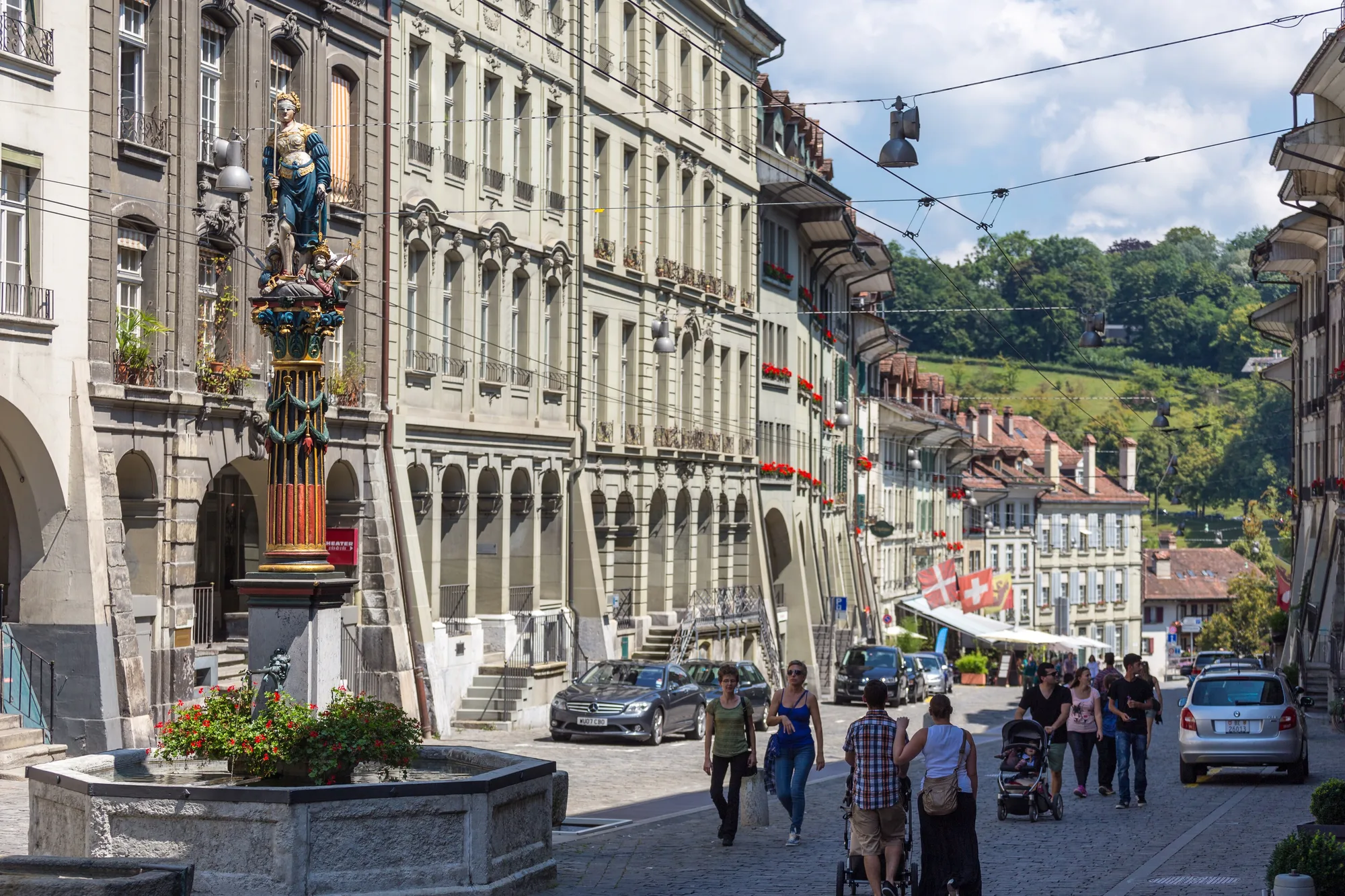
The Old Town arcades — a perfect pre-lunch stroll

Swiss Classics, Views
Hearty Swiss fare with an unbeatable view setup. Pair rosti with a local beer and watch the Old Town skyline do its quiet magic — especially at sunset.
Historic Venue, Swiss-Mediterranean
For a "Swiss classics in a cathedral-like cellar" experience. Even a simple dish like rosti feels elevated when the room looks like history.
Rösti is one of the simplest dishes in Switzerland and one of the most beloved: grated potatoes pressed into a pan and fried until they form a golden, crisp-edged cake. That is the whole idea. There is no long ingredient list and no clever technique to admire — just potato, fat, heat and patience — which is exactly why it became a fixture of Swiss-German home cooking. Historically it was a farmer’s breakfast, a cheap and filling way to start a working day in the fields, and it has carried that no-nonsense, hearty character into every café and tavern menu since.
The dish is so closely identified with German-speaking Switzerland that the Swiss coined an idiom around it: the “Röstigraben”, or “rösti ditch”, is the half-joking name for the cultural and linguistic line dividing the German-speaking part of the country (rösti country) from the French-speaking west. Bern, the bilingual federal capital, sits right on that seam — which makes ordering a properly crisp rösti here feel like eating something genuinely local rather than a generic tourist plate.
Today rösti is rarely a breakfast in restaurants; it has moved to the heart of the menu as a lunch or early-dinner staple, served plain as a side or loaded up as a full meal. It is the dish to reach for when you want something warm, satisfying and unmistakably Swiss without committing to a long, formal sit-down.
Because rösti is so simple, the difference between an ordinary plate and a memorable one comes down to execution. A good rösti has a deep golden crust with genuinely crisp edges, holds together when you slice into it, yet stays soft and steamy in the centre. It should taste of potato and a clean fat — butter or a neutral cooking fat — rather than sitting in a slick of oil. If the cake is greasy, pale or falling apart, the pan wasn’t hot enough or it was rushed.
There is room for variation, too. Some kitchens grate raw potatoes, others use parboiled ones for a firmer texture; some fold in onion, bacon or herbs. The most famous loaded version is “Rösti nach Berner Art” — Bernese-style — and the dish takes happily to toppings, from a fried egg to melted cheese to a rich meat sauce. None of this is fussy: the point is a warm, honest plate that does one thing extremely well.
Rösti is the easy “local and satisfying” midday pick: filling enough to power an afternoon of walking, but quick enough that it doesn’t eat your whole day. The simplest plan is to slot it between an Old Town wander and a viewpoint, then save a cheese-heavy dinner for the evening.
Rösti is grated potatoes pan-fried until they form a crisp, golden cake. It is the classic Swiss-German potato staple — historically a farmer’s breakfast — now served as a side or, with toppings, as a full meal. The best versions are crisp on the outside and tender within, with the crispness coming from a hot pan rather than a lot of oil.
The plain version — just potatoes fried in fat — is vegetarian. But common add-ons such as bacon, ham, sausage or a meat sauce are not, and some kitchens fry rösti in animal fat. If you keep vegetarian, it is worth a quick question to the kitchen.
Classic add-ons are cheese (simple and rich), a fried egg (which turns it into a complete meal), or seasonal mushrooms and vegetables for something lighter. Rösti loves a sauce, so anything saucy on the plate works well against the crisp potato. A local beer is the easy drink alongside.
It is a playful Swiss term — the “rösti ditch” — for the cultural and linguistic divide between German-speaking Switzerland, where rösti is everyday food, and the French-speaking west. Bern, the bilingual capital, straddles that line.
Lunch or an early dinner are ideal, especially on a cold day when something warm and filling is exactly what you want. Unlike fondue, rösti isn’t a seasonal dish, so it is a dependable choice any time of year.
Keep exploring Bern with guides that pair well with this one.


