
Planning
Is Bern Worth Visiting?
A calm city with UNESCO charm and quietly stunning views
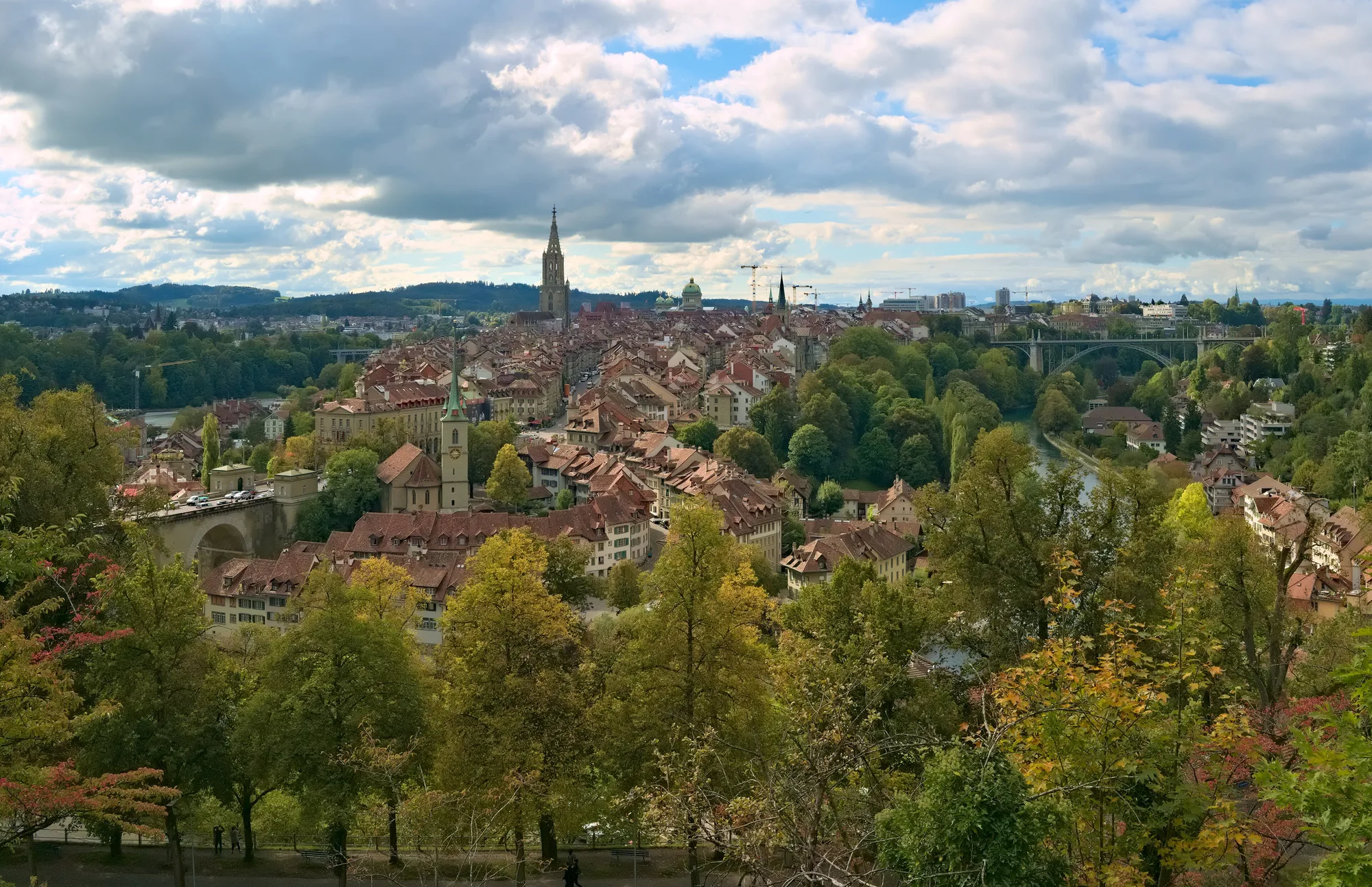
Yes—Bern is worth visiting, especially for travelers who want Switzerland with more atmosphere and less rush. The city is compact, scenic, and unusually “livable”: six kilometers of arcades (Lauben) turn the Old Town into a weather-proof walking dream, the Aare River wraps the center in turquoise drama, and viewpoints like Rosengarten make the skyline feel instantly iconic.
Bern is not about nonstop attractions. It is about mood, beauty, and pacing.
Bern Is Worth It If...
- UNESCO Old Towns, medieval streets, and arcades feel like the point
- A city break with nature (river paths, parks, views) is the ideal mix
- Good cafés and cellar restaurants matter as much as museums
- A calm, romantic, photogenic atmosphere beats big-city chaos
Bern Might Not Be For...
- Travelers who want nonstop nightlife or a huge “mega-attraction” list
- Anyone trying to cram Switzerland into one day with only “top hits”
- Visitors who prefer modern skylines over historic streets
- People who want the Alps right outside the hotel window
What Makes Bern Special
The Arcades (Lauben)
Bern's arcades are a built-in comfort feature: sheltered walking that makes rain, snow, and wind almost irrelevant. It is one of the best “walkable city” designs in Europe.
UNESCO Old Town Beauty
The Old Town feels cohesive rather than touristy—locals live and work in the center, which keeps the atmosphere authentic.
Aare River Drama
The Aare bend frames the city with natural scenery. In summer it becomes a lifestyle; in winter it becomes a cinematic backdrop.
Viewpoints That Deliver
Rosengarten is the signature panorama, and it is easy to reach. For the best timing, use Rosengarten at sunset.
The case for Bern, in durable facts
Bern earns its place on a Swiss itinerary on more than mood. Its entire Old Town was inscribed on the UNESCO World Heritage List in 1983—one of the earlier European city centres to be recognised—precisely because it survived as a remarkably complete medieval ensemble, with its 15th-century arcades and 16th-century painted fountains specifically cited in the listing. That is not marketing; it is a formal acknowledgement that the place you are walking through is genuinely rare. The Lauben, those covered arcades, run for around six kilometres, making them among the longest covered shopping promenades in Europe.
The city’s shape is its other quiet superpower. The Old Town sits on a sandstone peninsula inside a tight loop of the Aare, which means the historic core is compact, almost entirely walkable, and ringed by a river that turns a glacial turquoise in good light. Within that small area you have the Zytglogge clock tower with its medieval astronomical clock and hourly figure show, the towering Gothic Münster (Bern Minster), the riverside BärenPark where the city’s heraldic bears live, and the Rosengarten terrace looking back over the whole tiled-roof panorama. You can see the headline sights on foot without ever needing a tour bus.
And because Bern is the Swiss capital and a national rail hub, it works brilliantly as a base. Thun and its lake are well under half an hour away by frequent train; Interlaken and the Bernese Oberland are an easy direct ride; the rolling Emmental, the Gurten hill above the city, and a string of lakes and castles are all day-trip distance. You can have a calm, characterful city to come home to each evening and the high Alps within reach by morning.
Honest expectations: what to manage
We would rather you arrive with the right expectations than be disappointed. Bern is a small capital, and its pleasures are cumulative rather than blockbuster. If you measure a trip by the number of must-see mega-museums or theme-park-scale attractions, Bern will feel modest—the joy here is in arcades, fountains, river light, café afternoons and viewpoints, not in a long checklist of marquee sights.
- It is not a non-stop nightlife city. Evenings lean toward long dinners, cellar restaurants and a quiet drink rather than a big club scene.
- The Alps are near, but not on the doorstep. You get a skyline glimpse of them on clear days; for high-mountain drama you take a short train into the Oberland.
- Switzerland is not cheap. Plan for higher prices than much of Europe—though plenty of Bern’s best experiences (the arcades, the fountains, the riverside, BärenPark, the Rosengarten view) are completely free. See our free things to do guide.
- It rewards slow travel. Cramming Bern into a couple of rushed hours sells it short; give it at least a full day to let the pace work on you.

The Aare bend — Bern's natural masterpiece
So... How Many Days Are Enough?
- 1 day: Perfect for a first taste. Follow Bern in one day.
- 2 days: The sweet spot—landmarks + neighborhoods + riverside time. See Bern in two days.
- Weekend: The most relaxed pace with a Friday evening start. Use the weekend itinerary.
For a practical decision guide, see how many days in Bern.
Frequently asked questions
Is Bern worth visiting?
Yes—genuinely, and not just because it is the capital. Bern offers a complete, UNESCO-listed medieval Old Town that you can explore entirely on foot, wrapped in a turquoise river, with characterful food, free highlights and an unusually relaxed pace. It is best for travellers who value atmosphere, walkability and scenery over a long list of headline attractions.
Is one day in Bern enough?
One day is enough for a satisfying first taste—the Old Town, the Zytglogge, the Münster, BärenPark and the Rosengarten view all sit close together. Two days is the sweet spot, adding neighbourhoods and riverside time, and a weekend lets you fold in an easy day trip. See our how many days in Bern guide.
Is Bern worth it compared to Zurich, Lucerne or Interlaken?
They serve different cravings. Bern is the most intact and atmospheric historic Old Town of the group and a superb, central base; Lucerne and Interlaken put you closer to the postcard mountains and lakes, and Zurich is the bigger, busier city. The good news is you don’t have to choose—Bern is well placed to combine with all of them by train. Start with day trips from Bern.
What is Bern best known for?
Its UNESCO Old Town and roughly six kilometres of covered arcades; the Zytglogge astronomical clock tower; the live bears of BärenPark; the loop of the Aare around the centre; and being where Albert Einstein lived while he developed the special theory of relativity. It is also the seat of the Swiss federal government.
When is the best time to visit Bern?
Late spring through early autumn is the easiest weather and the season for swimming and floating the Aare; summer is liveliest, winter is quiet and atmospheric with festive markets in December. Shoulder months like April or September balance pleasant conditions with smaller crowds. Browse our seasonal guides to match the timing to your trip.
Start Here
Next reads
Keep exploring Bern with guides that pair well with this one.


